
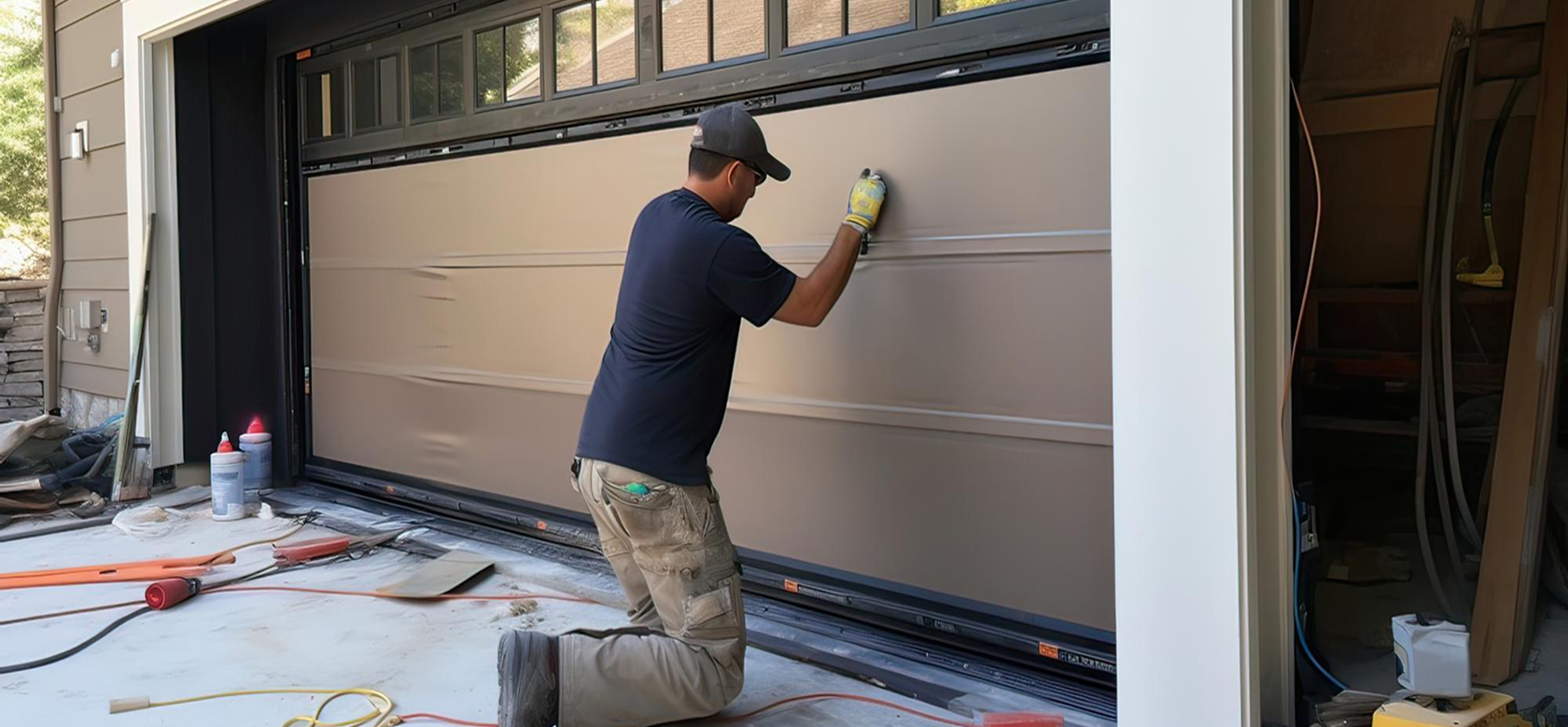
When your garage door starts to malfunction, the impulse to fix it yourself can be strong—especially if you’re comfortable tinkering with tools and want to save on service costs. However, garage door systems are complex and can present serious hazards when handled improperly. Before picking up your wrench or screwdriver, it’s crucial to understand how to perform repairs safely and what precautions to take to avoid injuries or costly mistakes.
Understanding the Hidden Risks of Garage Door Repairs
Garage doors may look simple, but the mechanisms that make them move are under high tension, particularly the springs and cables. These components store a significant amount of energy to counterbalance the weight of the door, which can weigh hundreds of pounds. If these parts are mishandled, they can snap or release force suddenly, causing severe injuries or property damage. Knowing what you’re dealing with is the first step to minimizing danger.
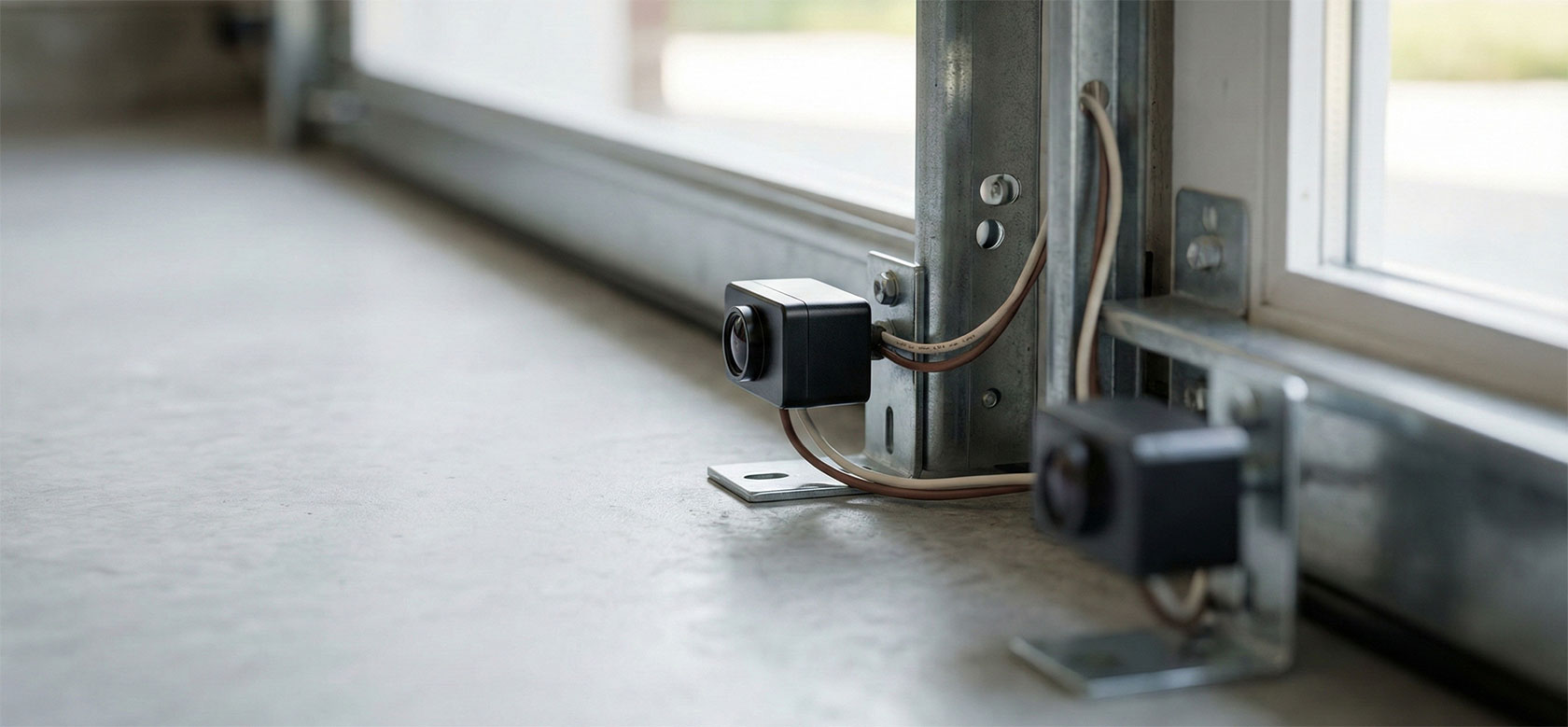
Another hidden risk lies in electrical issues. Modern garage doors often have sensors, remote control systems, and automatic openers that run on electricity. Working on these elements without proper precautions can expose you to the risk of electrical shock. Always disconnect power sources before you begin, and be cautious when inspecting wiring or circuit boards, especially if you’re not trained in electrical work.
Beyond physical risks, there’s also the possibility of making the problem worse. A small adjustment mistake—like incorrectly tightening a spring or misaligning a track—can compromise the overall balance and operation of the entire door. Not only can this lead to more expensive future repairs, but it could also increase the chances of a sudden malfunction that might harm you or your property later on.
Smart Preparation Steps Before Starting DIY Fixes
Before diving into any DIY garage door repair, preparation is your strongest defense against accidents. Start by thoroughly inspecting the door to identify visible damage, rust, or wear. Note the model and type of door system you have, as this information will guide you toward the correct repair procedures and compatible replacement parts. Don’t rush into disassembly without first understanding what each part does and how it interacts with others.
Gather the right tools and safety gear before beginning. Safety goggles, protective gloves, and sturdy footwear can prevent common injuries such as cuts, bruises, or falling object impacts. Using well-maintained tools suited for the task also reduces the risk of slipping or stripping bolts. If you’re replacing springs or cables, invest in quality replacements that match your door’s specifications rather than opting for cheaper, unreliable alternatives.
Finally, always have a contingency plan in case something goes wrong. Keep your workspace clear of clutter and make sure no one—especially children or pets—is nearby while you’re working. If a repair feels beyond your skill level or involves high-tension components, it’s safer to stop and call a professional. Sometimes, recognizing when to hand over the task can be the smartest move to ensure your safety and the longevity of your garage door.
DIY garage door repairs can be rewarding and cost-effective when approached with caution, preparation, and respect for the potential risks involved. A well-maintained garage door not only protects your property but also improves daily safety and convenience. Always remember that no amount of saved time or money is worth risking serious injury—safety and good judgment should be your top priorities in every repair project.