
Imagine rushing your kids out the door for school on a foggy Bay Area morning. You want the garage door to open quietly and reliably, so it doesn’t startle anyone or delay your day. Residential garage door care plays a key role in maintaining this balance of peace and safety in your home.
With back-to-school season upon us, it’s the perfect time to review how your garage door’s performance affects family safety habits, noise levels, and overall comfort. Let’s dive into straightforward tips that will help you keep your garage door running smoothly and your loved ones protected.
How Residential Garage Door Care Supports Family Safety Habits
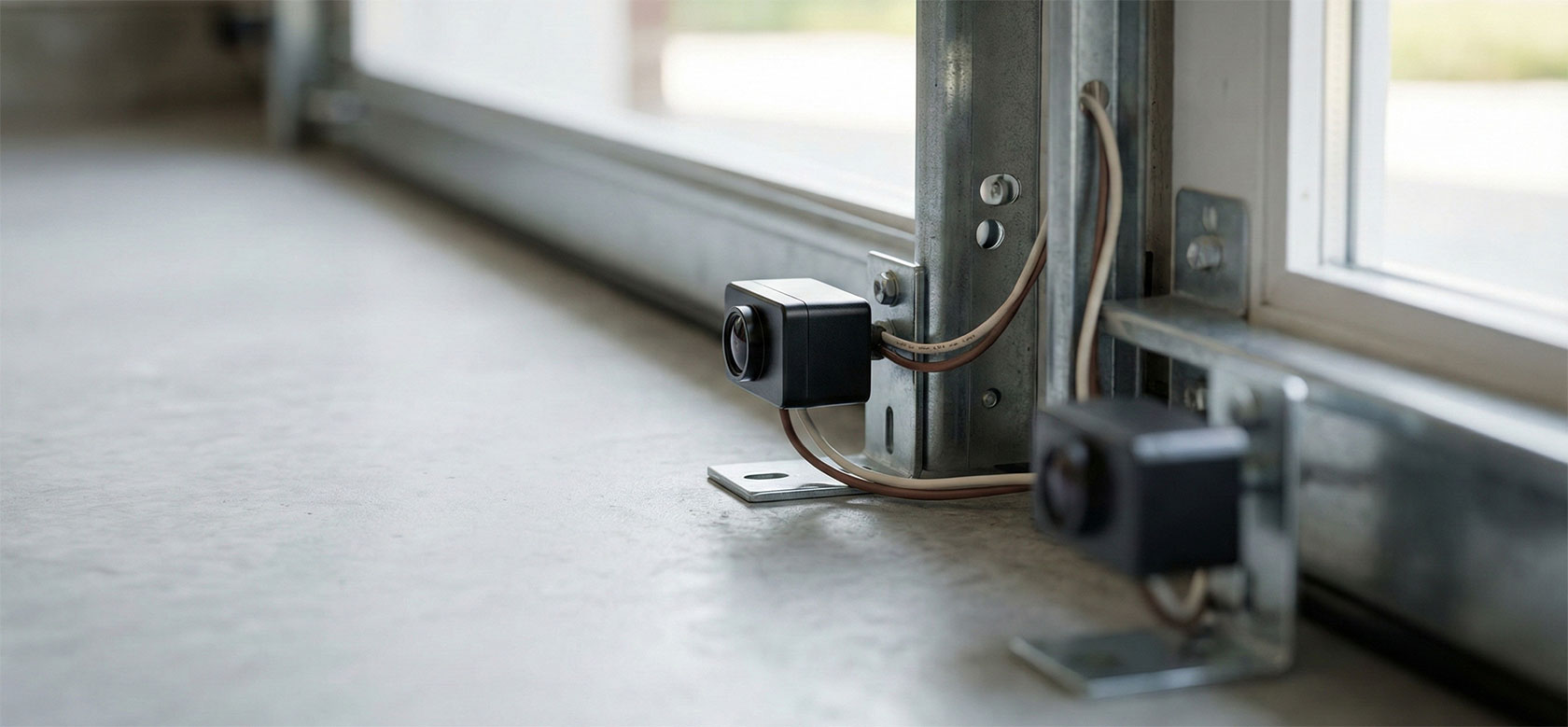
Ensuring your garage door functions well is vital for kids and pets safety. A door that closes reliably and slows down can prevent accidents, especially when your little ones or furry friends are nearby. Regularly test the auto-reverse safety features and sensors to avoid entrapment risks and teach your family not to interfere with the door while it’s moving.
Professional inspections can spot hidden issues with springs or cables that are hazardous to handle on your own. For serious repairs or replacement, rely on certified technicians trained to keep your home safe and compliant with local standards.
Tips for Quieter Garage Door Operation in Santa Clara Homes
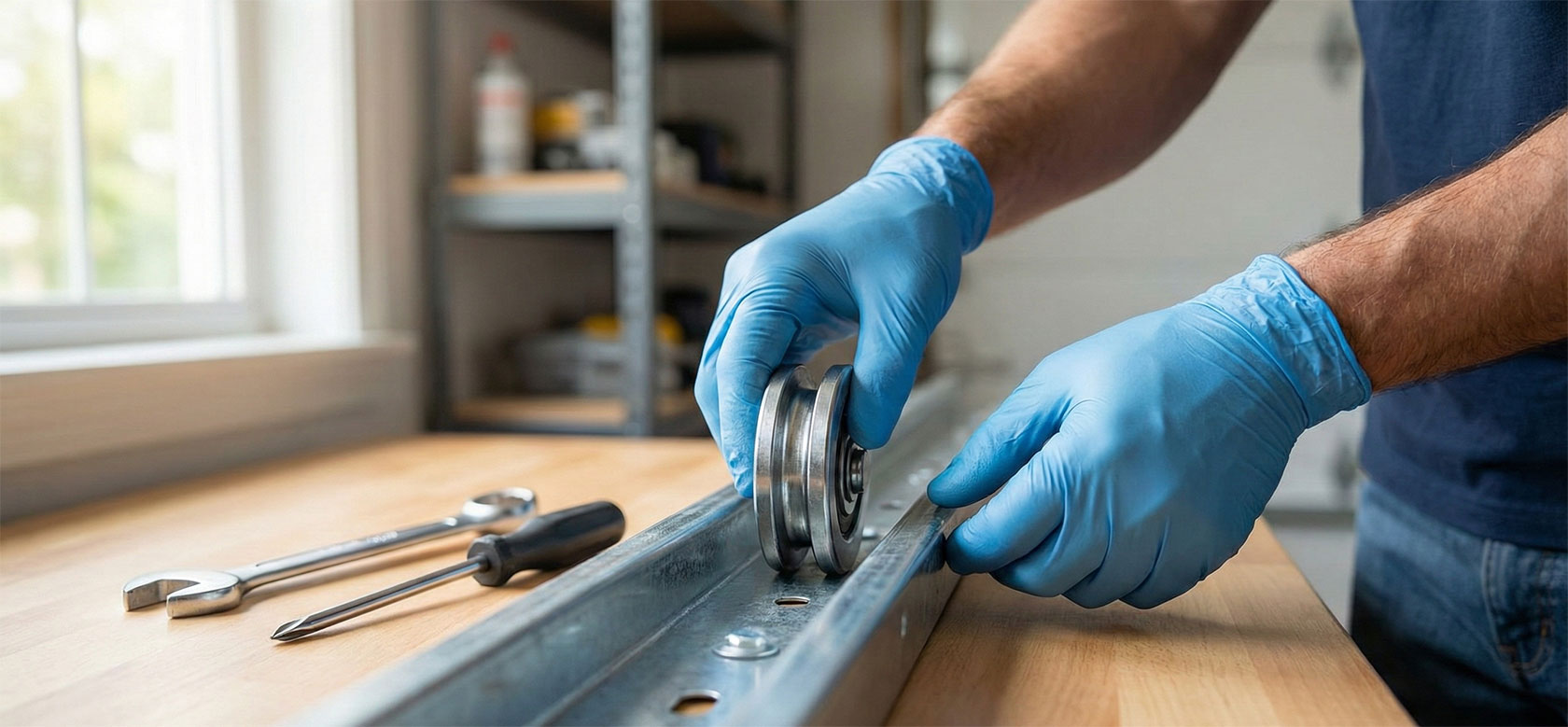
Older or poorly lubricated garage doors often squeak or bang loudly, disturbing the morning calm or waking up sleeping children. Simple maintenance such as lubricating rollers, hinges, and tracks can reduce noise significantly. Checking for worn rollers and replacing those with nylon or sealed bearings helps with quiet operation.
Weather in the Bay Area, like foggy mornings and summer heat, can affect materials. Keeping the garage door balanced and the opener well-maintained minimizes strain and noise. Quiet garage doors also improve indoor comfort by reducing vibrations transmitted through the structure.
Managing Drafts and Comfort through Garage Door Sealing
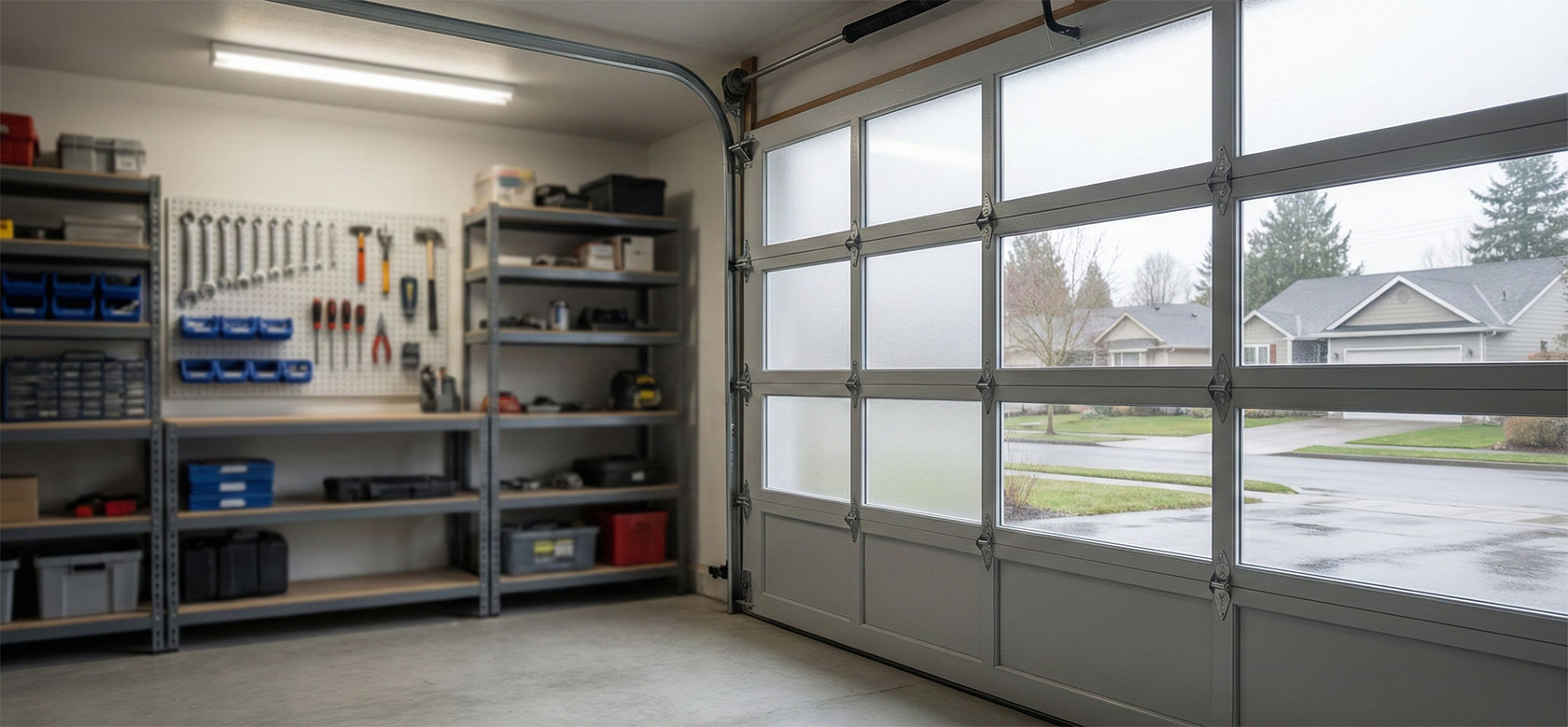
Gaps around the garage door allow drafts, reducing interior comfort and increasing energy costs. With Santa Clara’s cooler mornings and warm days, sealing those gaps improves your home’s temperature stability. Inspect weatherstripping for cracks or wear and replace it annually to maintain an effective barrier.
A properly sealed garage door not only blocks drafts but also keeps out dust and insects, enhancing your garage’s functionality as a storage or utility space.
Remote Troubleshooting and Keypad Basics for Convenience
If your remote isn’t responding or your keypad behaves erratically, first check the batteries. Backup battery expectations should be clear; many modern openers have battery packs that last several years but will need replacement eventually.
For smart opener basics, ensure your Wi-Fi signal reaches the garage. This allows remote access and notifications, enhancing security habits by alerting you to door activity even when you’re out. Keypad problems often stem from dirt or moisture, so keep the exterior clean and dry.
Checklist for New Homeowners: Garage Door Care Essentials
- Test safety reversal features repeatedly
- Inspect weatherstripping and replace if damaged
- Lubricate moving parts annually for quiet operation
- Check the balance of the door to reduce motor strain
- Review remote controls and keypad batteries
- Establish clear family safety rules around garage door use
- Schedule a professional inspection for any unusual noises or jerky movements
When to Repair Versus Replace Your Garage Door
Signs like persistent noisy operation, frequent breakdowns, or outdated security features might indicate it’s time to replace rather than repair. However, minor issues like keypad glitches or a few squeaks are usually fixed with prompt maintenance.
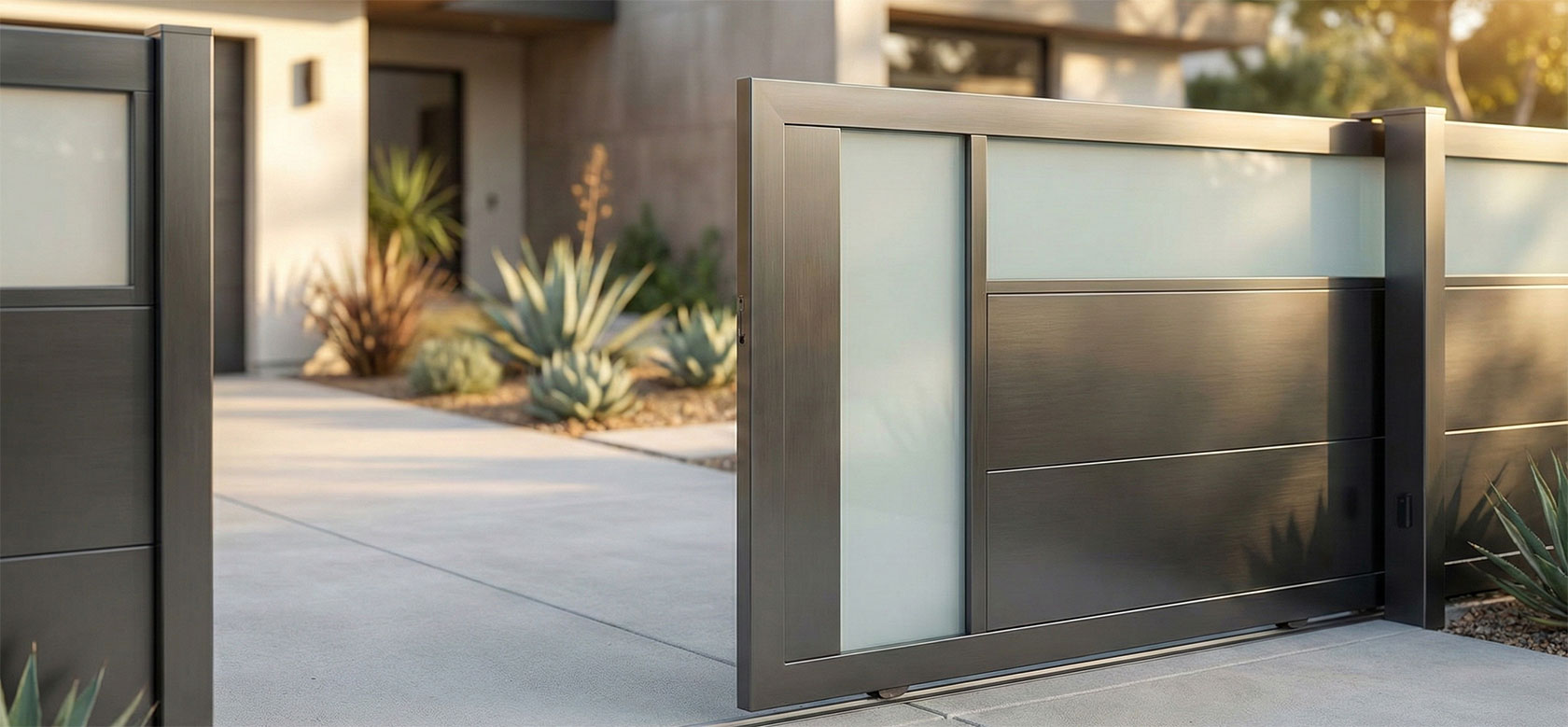
Consider curb appeal upgrades that blend both style and functionality, enhancing your home’s exterior while improving garage door performance. For tailored advice, contact our experienced team who can assess your door’s condition and recommend the best approach.
FAQ
Q: How often should I have my garage door inspected?
A: Typically, an annual professional inspection helps catch issues early, especially for safety components.
Q: Can I lubricate my garage door myself?
A: Yes, using appropriate lubricants on rollers and hinges is safe and can reduce noise and wear.
Q: What if my garage door won’t close all the way?
A: This might be due to sensor misalignment or obstructions. Check sensors and remove any objects in the door’s path.
Q: Are smart garage door openers secure?
A: Modern smart openers use encryption but keep your network secure and passwords strong for maximum protection.
Q: What should I do if the garage door springs break?
A: Springs are under high tension and dangerous to fix yourself. Contact a certified technician immediately.
Garage door repair professionals in Santa Clara can help with all your maintenance and repair needs, ensuring your system works safely and quietly year-round.
Safety note: Garage door springs and cables are under high tension. Avoid DIY repairs that pose injury risks. Always seek expert service for these components.
Need expert advice or same-day service for your garage door? Visit halegaragedoorsandgates.com or call +1 (650) 855-2900 to schedule your appointment today.