
Spring in Santa Clara often brings a shift in weather—morning fog, occasional rains, and warming days. These changes can reveal new or unusual noises from your garage door that you might have overlooked. Sometimes, a strange creak or grind is just a hint your garage door needs a little care. Addressing these early signs with routine garage door maintenance can prevent bigger problems down the road.
In this post, we’ll walk through easy weekend checks and maintenance steps you can take to keep your garage door quiet, safe, and reliable this season.
Recognizing When to Perform Garage Door Maintenance
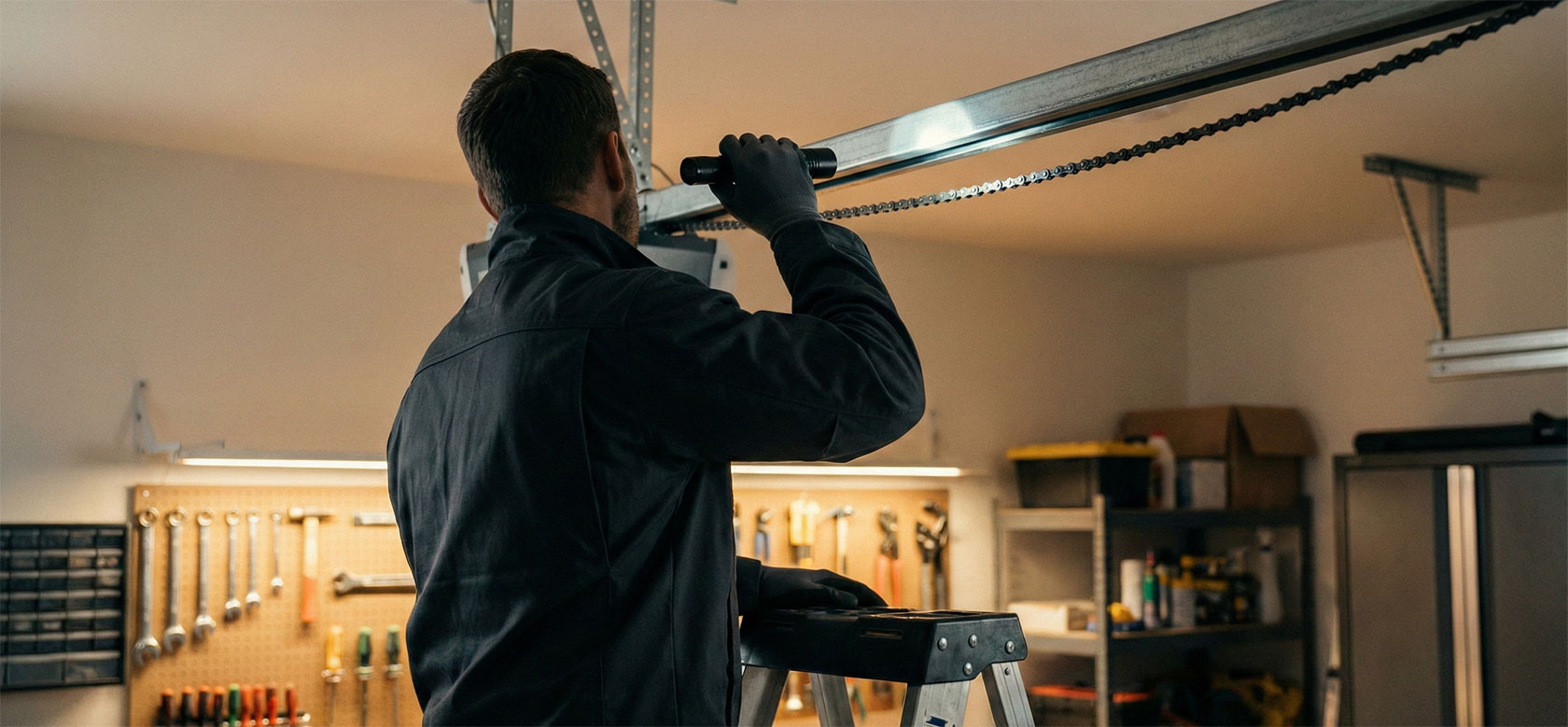
Garage door maintenance typically involves a few focused tasks like lubrication, inspection, and adjustments that keep all parts working smoothly. If you notice changes such as increased noise, slower movement, or drafts under the door, it may be time to check your door components.
Lubrication Best Practices for a Quieter Door
One common cause of noisy garage doors is dry or old lubricant on moving parts. Use a silicone-based spray or garage-door-specific lubricant on hinges, rollers, and springs. Avoid heavy greases as they can attract dirt and worsen the problem.
Apply lubricants sparingly and wipe off excess to prevent build-up. Performing lubrication every 6 months or during seasonal changes, like in spring and fall, is a good preventive schedule.
Checking Door Balance and Signs of Hardware Loosening
A door that’s out of balance puts extra stress on the opener and hardware, often making unusual sounds. Disconnect the opener and manually lift the door halfway; it should stay put. If it falls or rises, professional adjustment is recommended.
Look for loose bolts or screws on brackets and tracks, which can cause rattling noises. Tighten hardware carefully but avoid overtightening.
Track Cleanliness and Roller Wear Symptoms
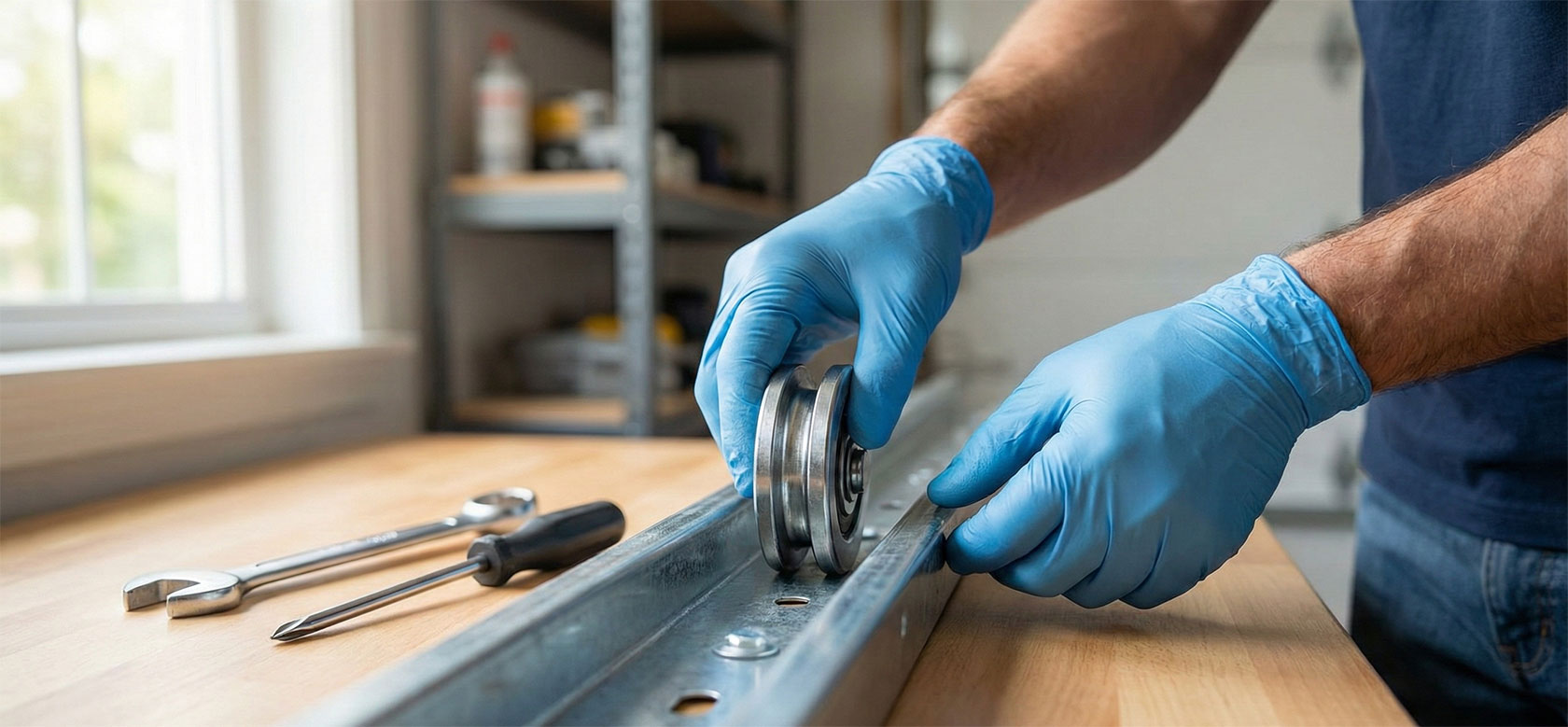
Tracks full of debris or damaged rollers can make grinding or scraping noises. Clean tracks gently with a damp cloth and remove any buildup. Check rollers for cracking, flat spots, or excessive wear. Worn rollers often need replacement to restore smooth motion.
Performing a Safety Sensor Check and Photo-Eye Cleaning
Safety sensors (photo-eyes) that are misaligned or dirty may not affect noise directly but are vital for safe operation. Clean sensor lenses gently with a soft cloth and ensure they face each other without obstruction. Test sensor function by waving an object in the path to confirm the door reverses when blocked.
Inspecting Weather Seal Gaps and Remote Keypad Batteries
Spring rains and fog can reveal drafts caused by gaps in weather seals. Check seals for cracks or hardening and replace if needed to maintain insulation and prevent water entry.
Remote keypad batteries also deserve attention since weak batteries can cause intermittent opener response, leading to repeated attempts and noise. Replace batteries regularly to avoid surprises.
Weekend Maintenance Checklist
- Lubricate hinges, rollers, and springs with silicone spray.
- Check door balance by manually lifting halfway.
- Tighten any loose hardware on brackets, tracks, and panels.
- Clean and inspect tracks and rollers for wear or damage.
- Clean photo-eye lenses and test sensor alignment.
- Inspect weather seals for gaps or damage.
- Replace remote keypad batteries if needed.
Safety Reminder
Garage door springs and cables are under high tension and can be dangerous to adjust without proper training. If you detect serious issues like broken springs or cables, or if the door is difficult to lift, it’s safest to contact a certified professional rather than attempt repairs yourself.
FAQ
Q: How often should I do garage door maintenance?
A: Aim for a thorough maintenance check at least twice a year, typically in spring and fall, or whenever you notice changes in operation or noise.
Q: What lubricant should I use for my garage door?
A: Use a silicone-based or garage-door-specific lubricant. Avoid heavy grease or oil that can attract dirt.
Q: Can I fix a noisy garage door myself?
A: Many lubrication and cleaning tasks are safe to do yourself. However, for spring repairs or major adjustments, hiring a trained technician is safer.
Q: Why does my garage door make grinding noises?
A: Grinding noises often come from worn rollers, dirty tracks, or lack of lubrication. Cleaning and lubricating may help; otherwise, replacement may be necessary.
For expert garage door inspection, repairs, or to schedule maintenance service in Santa Clara and the Bay Area, visit our garage door repair appointment page or contact us directly.
Need professional help to keep your garage door running smoothly? Contact Hale Garage Doors & Gates at +1 (650) 855-2900 for trusted service and same-day support.