
During a busy shift, a facility manager notices a slight misalignment in the commercial door as it opens and closes. This small observation, often overlooked, can lead to larger issues that impact business operations. Effective commercial door service is key for maintaining peak efficiency and safety in your facility.
Proper door maintenance not only reduces the likelihood of costly downtime but also contributes to a safer working environment and enhances overall productivity. As we transition through the foggy mornings of early fall in the Bay Area, it’s a good time to rethink how we manage our commercial doors.
Recognizing Key Signs of Door Issues
A facility’s operational efficiency often hinges on the reliability of its commercial doors. Pay close attention to the following signs that can indicate underlying problems:
- Track alignment signs: If your door hesitates or struggles to open and close, it may be misaligned.
- Noise and vibration: Unusual sounds during operation can signal wear or mechanical failure.
- Energy loss in bays: Gaps or poor seal on doors can lead to increased energy costs.
The Importance of Preventive Inspections
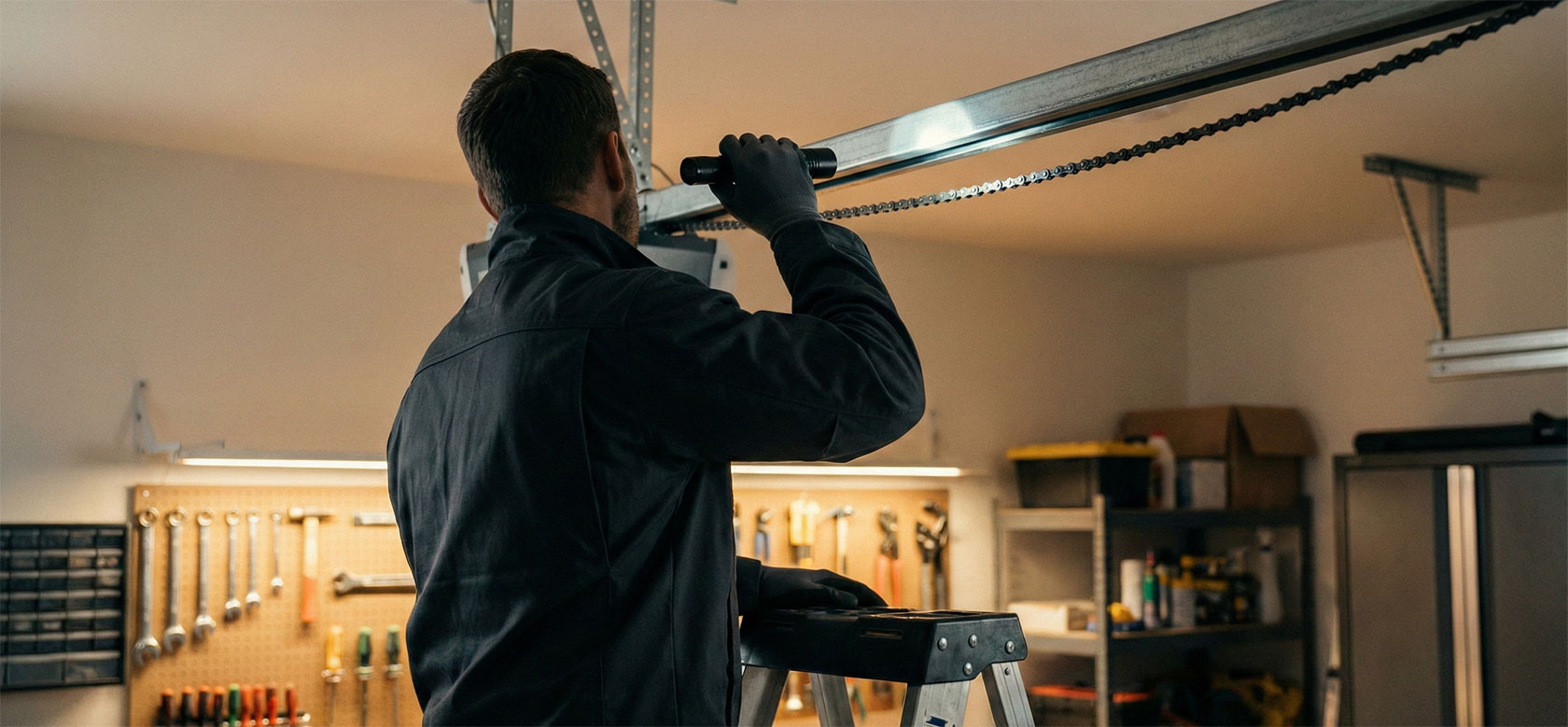
Preventive inspections are critical for catching issues before they escalate. Regular checks can help you maintain optimal operator reliability and reduce the wear seen in high-cycle door operations. Scheduling routine inspections ensures that any necessary repairs are identified early, minimizing potential impact on business operations.
Business Downtime Prevention Strategies
Implementing strategies for downtime prevention can save your business time and money. Here are some core practices to consider:
- Set a regular maintenance schedule to ensure that doors receive timely service.
- Train staff to recognize and report issues immediately.
- Use high-quality materials and reliable operators for repairs and maintenance.
Enhancing Facility Safety with Door Protocols
Safety checks are integrated into daily operations, but don’t forget your commercial doors. Regular safety inspections not only protect equipment but also personnel. Establish clear safety protocols, especially around loading docks where the risk of accidents increases. This includes:
- Training staff on safe practices for using and interacting with door systems.
- Conducting routine safety drills to familiarize employees with emergency protocols.
- Keeping the area around doors clear to prevent accidents.
Cost-of-Downtime Thinking
Operations managers should adopt a cost-of-downtime mentality. Delaying repairs can result in significant financial losses. Evaluate how much downtime can impact your bottom line and plan budgets accordingly. Regular maintenance is an investment that pays off by reducing downtime costs.
Checklist for Effective Door Management
- Conduct regular preventive inspections.
- Monitor door behavior and address issues promptly.
- Keep maintenance logs for all repairs and inspections.
- Establish clear protocols for emergency repairs.
- Educate staff on identifying potential issues.
FAQ
Q: What are the signs that my commercial door needs repair?
A: Signs include difficulty opening or closing, unusual noises, and visible misalignment.
Q: How often should I schedule preventive inspections?
A: It is typically recommended to schedule inspections at least twice a year, or more frequently based on usage.
Q: Can routine maintenance help reduce energy costs?
A: Yes, maintaining a proper seal and alignment can prevent energy loss and improve efficiency.
Q: What should I do if a door fails during peak hours?
A: Contact a professional service immediately for emergency repairs to minimize downtime.
Q: How do I ensure my loading dock is safe?
A: Conduct regular safety checks and establish clear protocols for staff to follow.
In conclusion, maintaining your commercial doors is essential for safety, efficiency, and cost control. By being proactive, you can prevent major downtime and protect your facility.
If you need assistance with commercial door service in the Bay Area, reach out to our certified technicians today.