
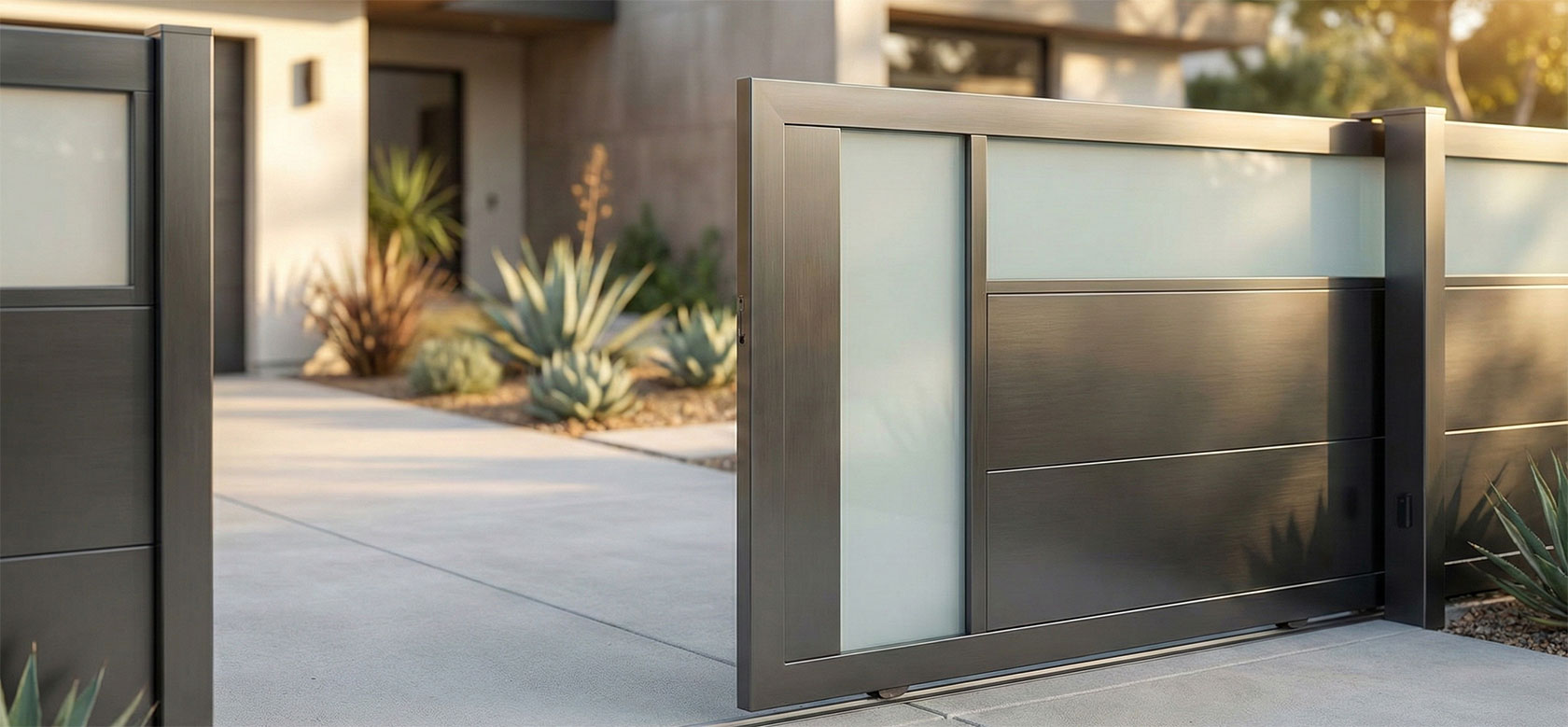
Have you noticed that your automatic driveway gate behaves differently on foggy mornings? This common observation can lead to frustration, especially when the gate stops mid-way, leaving you stranded. Understanding how environmental conditions affect your driveway gate is essential for ensuring reliable access.
The Bay Area is known for its unique weather patterns, including foggy days and seasonal rains. These factors can influence the functionality of your automatic gate. Let’s explore how you can maintain your gate’s reliability and troubleshoot common issues during these conditions.
Understanding Weather Impact on Gates
Your driveway gate may be vulnerable to harsh weather. Rain can cause moisture buildup, leading to electrical issues or obstructing sensors. Fog, on the other hand, can affect switches and remote controls, contributing to problems with reliability. Regular inspection and maintenance are crucial to combat these effects.
Identifying Common Gate Issues
Even minor environmental changes can impact your gate’s performance. Here are some symptoms to look out for:
- Gate stops mid-way.
- Remote range issues—poor signal strength.
- Misalignment, leading to operational delays.
- Slow response time from the keypad.
Photo-Eye Basics for Safety
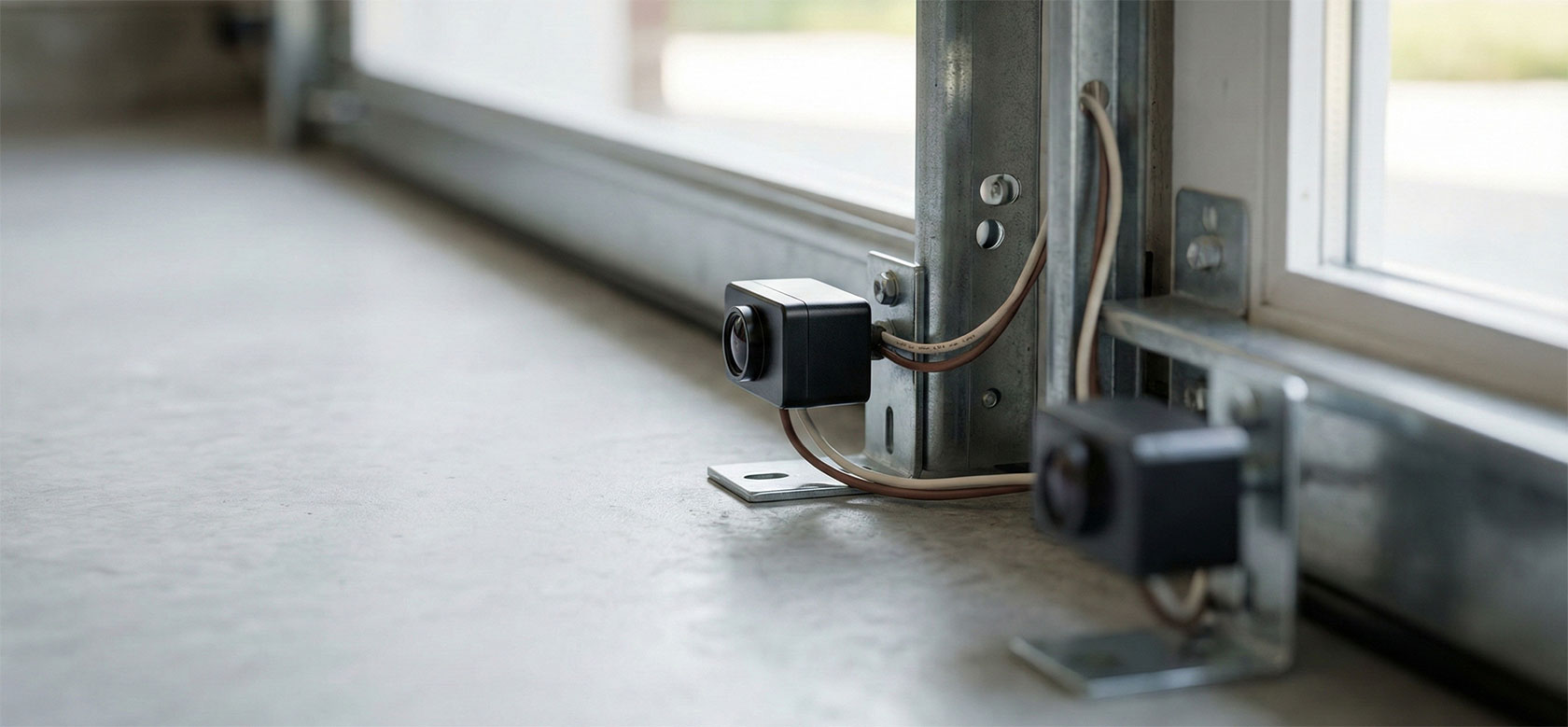
Most automatic gates are equipped with photo-eyes to detect obstacles. Ensure these are clean and unobstructed. A dirty photo-eye can prevent your gate from operating correctly, posing a safety risk. Regularly checking and cleaning these sensors can help your gate function properly.
Loop Detector Basics
Loop detectors can also enhance your gate’s reliability. These devices sense the presence of vehicles and ensure your gate opens when needed. If you notice that your gate often fails to detect your vehicle, it might be time to inspect or replace the loop detector.
Battery Backup Basics
Power outages can lead to unexpected gate closures, especially during stormy weather. Consider investing in a battery backup system to ensure your gate remains operational during emergencies. This can save you from being locked out during critical moments.
Check for Hinge Wear and Track Issues
Regularly inspecting your gate’s hinges and tracks can prevent larger problems. Look for signs of wear and tear or any debris that might impede movement. Here’s a checklist to help you:
- Inspect hinges for rust or wear.
- Check the alignment of the gate.
- Clear any debris from the track.
- Test remote and keypad responsiveness.
- Ensure photo-eyes and loop detectors are functioning.
Access Control Options for Added Security
Consider upgrading your gate with advanced access control options, such as remote access or smart home integration. These options enhance security and convenience. Just be sure to choose features that won’t hinder performance during inclement weather.
FAQ
Q: How do I know if my gate needs servicing?
A: Signs include slow response times, misalignment, or unusual noises. If in doubt, consult a professional.
Q: Can weather really affect my gate?
A: Yes, moisture and fog can disrupt electrical components and sensors, affecting performance.
Q: What should I do if my gate stops mid-way?
A: First, check for obstructions. If none are found, schedule a professional inspection.
Q: How often should I perform maintenance on my gate?
A: Regular checks every few months are ideal, particularly before seasonal weather changes.
Q: What is a battery backup system?
A: It’s a system that keeps your gate operational during power outages, preventing being locked out.
Regular maintenance and awareness of your driveway gate’s health can make a difference in ensuring a reliable experience. If you encounter persistent issues, consider consulting a professional for a thorough inspection.